

Artificial Intelligence in Business: Benefits, Applications, and Future Trends
Meta Description:
Learn how Artificial Intelligence is transforming businesses through automation, data insights, and smarter decision-making. Discover AI benefits, applications, and future trends.
Target Keywords:
Artificial Intelligence in business, AI solutions, AI for companies, benefits of AI, AI technology trends
Introduction
Artificial Intelligence (AI) has become one of the most powerful technologies driving digital transformation. Businesses around the world are adopting AI solutions to improve efficiency, automate processes, and gain valuable insights from data.
From customer service chatbots to predictive analytics, AI is helping organizations innovate faster and stay competitive in an increasingly digital marketplace.
In this article, we explore how Artificial Intelligence is transforming businesses, its key applications, benefits, and what the future holds for AI technology.
What is Artificial Intelligence?
Artificial Intelligence refers to computer systems designed to perform tasks that typically require human intelligence. These tasks include learning, reasoning, problem-solving, and decision-making.
AI systems use technologies such as:
-
Machine Learning (ML)
-
Natural Language Processing (NLP)
-
Computer Vision
-
Predictive Analytics
These technologies enable machines to analyze large datasets, recognize patterns, and continuously improve their performance.
Key Applications of AI in Business
Artificial Intelligence is being used across multiple industries to optimize operations and improve productivity.
1. Customer Support Automation
AI-powered chatbots and virtual assistants help businesses provide 24/7 customer support. These tools can answer common questions, resolve basic issues, and improve customer satisfaction.
2. Data Analytics and Insights
AI can analyze massive amounts of data in seconds. Businesses use AI-powered analytics to identify trends, forecast demand, and make data-driven decisions.
3. Marketing Personalization
AI helps companies deliver personalized content, product recommendations, and targeted advertising based on user behavior and preferences.
4. Fraud Detection and Security
AI systems can monitor transactions and network activity to detect suspicious behavior, helping organizations prevent fraud and cyber threats.
5. Process Automation
Many businesses use AI to automate repetitive tasks such as data entry, document processing, and inventory management.
Benefits of Artificial Intelligence for Businesses
Implementing AI solutions offers several advantages:
Improved Efficiency
Automation reduces manual workload and increases productivity.
Better Decision Making
AI provides real-time insights that support smarter business decisions.
Cost Savings
Automating tasks reduces operational expenses.
Enhanced Customer Experience
Personalized services and faster response times improve customer satisfaction.
Competitive Advantage
Companies using AI can innovate faster and stay ahead of competitors.
Challenges of AI Implementation
Despite its benefits, AI adoption can present some challenges:
-
High implementation costs
-
Data privacy concerns
-
Lack of AI expertise
-
Integration with legacy systems
Working with experienced IT solution providers can help organizations overcome these challenges and successfully implement AI technologies.
Future Trends in Artificial Intelligence
Artificial Intelligence continues to evolve rapidly. Some emerging trends include:
-
Generative AI for content creation
-
AI-powered cybersecurity
-
Intelligent automation
-
AI-driven predictive analytics
-
AI integration with cloud computing
These innovations will further transform how businesses operate in the digital era.
Conclusion
Artificial Intelligence is revolutionizing the way businesses operate. From automation to advanced analytics, AI technologies enable organizations to improve efficiency, enhance customer experiences, and make smarter decisions.
As AI continues to evolve, businesses that adopt these technologies early will be better positioned to succeed in the competitive digital landscape.
You must be logged in to post a comment
Categories
Latest Posts
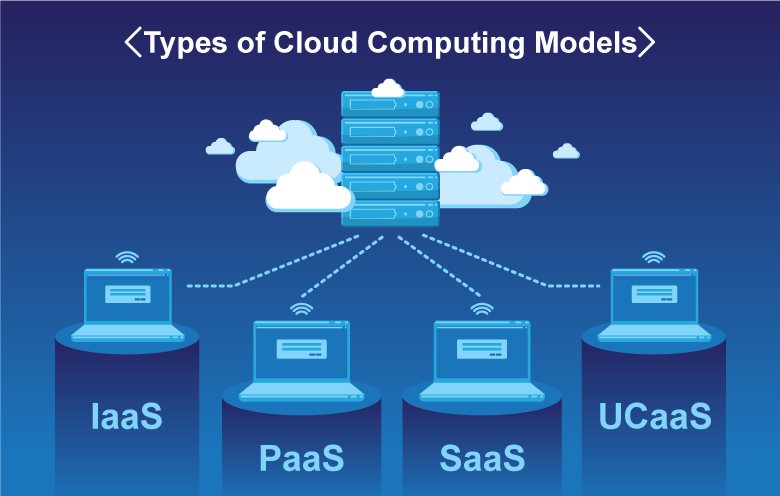
Cloud Computing Services: Transforming Modern Business Infrastructure
Artificial Intelligence in Business: Benefits, Applications, and Future Trends

Transforming the Future of Business

0
212