
Cloud Computing Services: Transforming Modern Business Infrastructure
Meta Description:
Discover how cloud computing services help businesses improve scalability, security, and efficiency. Learn the benefits, types, and future of cloud technology.
Primary Keywords:
Cloud computing services, cloud solutions for business, cloud infrastructure, cloud technology, benefits of cloud computing
Introduction
In today’s fast-paced digital world, businesses need flexible, scalable, and cost-effective technology solutions to stay competitive. Cloud computing services have emerged as one of the most powerful technologies enabling organizations to store data, run applications, and manage IT infrastructure more efficiently.
Instead of relying on traditional on-premise servers, companies can now access computing resources through the internet, allowing them to scale operations quickly and reduce operational costs.
Cloud computing is now a core part of digital transformation strategies across industries.
What Are Cloud Computing Services?
Cloud computing services refer to the delivery of computing resources—such as servers, storage, databases, networking, software, and analytics—over the internet.
These services allow businesses to access technology infrastructure without investing heavily in physical hardware or maintenance.
Cloud computing offers businesses the flexibility to scale resources based on their needs while paying only for the services they use.
Types of Cloud Computing Services
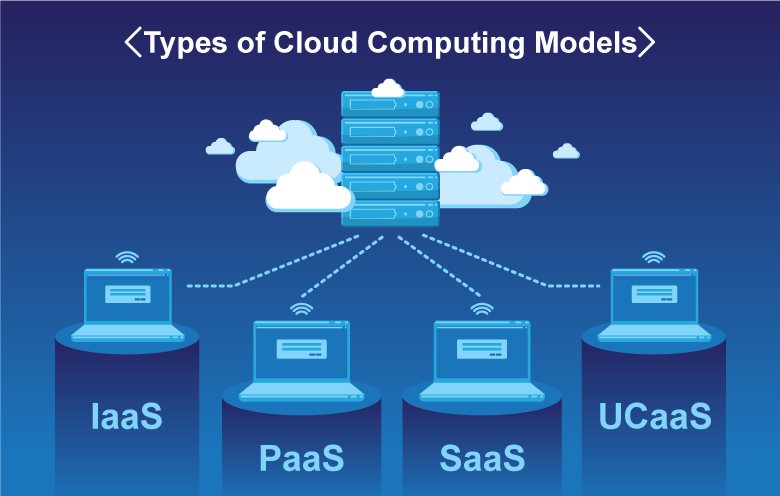
Cloud computing is typically divided into three main service models.
1. Infrastructure as a Service (IaaS)
IaaS provides businesses with virtualized computing resources such as servers, storage, and networking. Companies can manage their operating systems, applications, and data while the cloud provider manages the infrastructure.
Benefits include:
-
High scalability
-
Reduced hardware costs
-
Flexible resource management
2. Platform as a Service (PaaS)
PaaS provides a platform that allows developers to build, test, and deploy applications without managing underlying infrastructure.
Advantages include:
-
Faster application development
-
Simplified deployment processes
-
Reduced system administration tasks
3. Software as a Service (SaaS)
SaaS delivers software applications over the internet. Users can access these applications through web browsers without installing them locally.
Common examples include:
-
Customer relationship management tools
-
Email services
-
Collaboration platforms
Key Benefits of Cloud Computing for Businesses
Cloud technology offers numerous advantages for organizations of all sizes.
Cost Efficiency
Businesses can reduce expenses by eliminating the need for physical servers, hardware maintenance, and IT infrastructure management.
Scalability
Cloud platforms allow organizations to quickly scale resources up or down depending on business needs.
Remote Accessibility
Employees can access systems, files, and applications from anywhere with an internet connection, enabling remote work and collaboration.
Data Security
Modern cloud providers offer advanced security features such as encryption, access controls, and automated backups to protect sensitive data.
Business Continuity
Cloud systems include backup and disaster recovery solutions that help businesses quickly recover from unexpected disruptions.
Cloud Computing Use Cases
Many organizations use cloud computing services for various operational needs.
Some common use cases include:
-
Data storage and backup
-
Application hosting
-
Big data analytics
-
Software development and testing
-
Disaster recovery solutions
Cloud computing allows businesses to innovate faster and deliver services more efficiently.
Challenges of Cloud Adoption
While cloud computing provides many benefits, companies may face certain challenges during implementation.
Common challenges include:
-
Data migration complexity
-
Security and compliance concerns
-
Integration with existing systems
-
Cloud cost management
Partnering with experienced IT service providers can help businesses overcome these challenges and ensure smooth cloud adoption.
The Future of Cloud Computing
Cloud computing continues to evolve rapidly as new technologies emerge. Some major trends shaping the future of cloud technology include:
-
AI-powered cloud platforms
-
Multi-cloud strategies
-
Edge computing integration
-
Serverless computing architectures
-
Enhanced cloud security frameworks
These innovations will further empower businesses to operate more efficiently and scale globally.
Conclusion
Cloud computing services have become an essential component of modern business infrastructure. By providing scalable, secure, and cost-effective technology solutions, the cloud enables organizations to innovate faster and improve operational efficiency.
Businesses that embrace cloud computing today will be better prepared to adapt to future technological advancements and maintain a competitive edge in the digital economy.
You must be logged in to post a comment
Categories
Latest Posts
Cloud Computing Services: Transforming Modern Business Infrastructure

Artificial Intelligence in Business: Benefits, Applications, and Future Trends

Transforming the Future of Business

0
171