

Transforming the Future of Business
Artificial Intelligence (AI) is rapidly reshaping the way businesses operate across industries. From automating repetitive tasks to enabling smarter decision-making, AI has become a powerful tool that helps organizations improve efficiency, reduce costs, and deliver better customer experiences.
As digital transformation continues to accelerate, businesses that adopt AI technologies are gaining a competitive advantage in the modern marketplace.
What is Artificial Intelligence?
Artificial Intelligence refers to the ability of machines and computer systems to perform tasks that normally require human intelligence. These tasks include learning from data, recognizing patterns, understanding language, solving problems, and making decisions.
AI technologies are built using advanced algorithms, data analytics, and machine learning models that allow systems to improve their performance over time.
Today, AI is widely used in industries such as healthcare, finance, retail, manufacturing, and information technology.
Key Applications of AI in Business
Artificial Intelligence is transforming many aspects of business operations. Some of the most impactful applications include:
1. Automation of Routine Tasks
AI-powered automation can handle repetitive tasks such as data entry, report generation, and customer service inquiries. This allows employees to focus on more strategic and creative work.
2. Customer Support with AI Chatbots
Many companies use AI chatbots to provide instant customer support. These chatbots can answer common questions, assist customers 24/7, and improve response times.
3. Data Analysis and Business Insights
AI systems can analyze large volumes of data quickly and accurately. Businesses use these insights to identify trends, forecast demand, and make data-driven decisions.
4. Personalized Customer Experiences
AI helps companies deliver personalized product recommendations, targeted marketing campaigns, and customized services based on customer behavior and preferences.
5. Cybersecurity Enhancement
AI can detect unusual patterns in network activity, helping organizations identify potential security threats and respond to them faster.
Benefits of AI for Businesses
Organizations that integrate AI into their operations can experience several benefits:
-
Improved Efficiency – Automating tasks saves time and increases productivity.
-
Better Decision Making – AI-driven insights support smarter business strategies.
-
Cost Reduction – Automation reduces operational costs.
-
Enhanced Customer Experience – Faster service and personalized interactions improve customer satisfaction.
-
Competitive Advantage – Early adoption of AI technologies helps companies stay ahead in their industry.
Challenges of Implementing AI
While AI offers many benefits, businesses may face challenges when implementing AI solutions, including:
-
High initial investment costs
-
Data privacy and security concerns
-
Lack of skilled AI professionals
-
Integration with existing systems
Working with experienced IT solution providers can help businesses overcome these challenges and successfully implement AI technologies.
The Future of Artificial Intelligence
The future of AI is incredibly promising. Emerging technologies such as generative AI, predictive analytics, and intelligent automation are expected to transform industries even further.
In the coming years, AI will continue to play a crucial role in improving healthcare diagnostics, enhancing cybersecurity, optimizing supply chains, and enabling smarter cities.
Businesses that embrace AI today will be better positioned to adapt to future technological advancements.
Conclusion
Artificial Intelligence is no longer a futuristic concept—it is a powerful technology that is already transforming businesses worldwide. By leveraging AI solutions, organizations can improve operational efficiency, deliver better customer experiences, and unlock new opportunities for growth.
For companies looking to stay competitive in the digital age, adopting AI-driven solutions is a strategic investment in the future.
You must be logged in to post a comment
Categories
Latest Posts
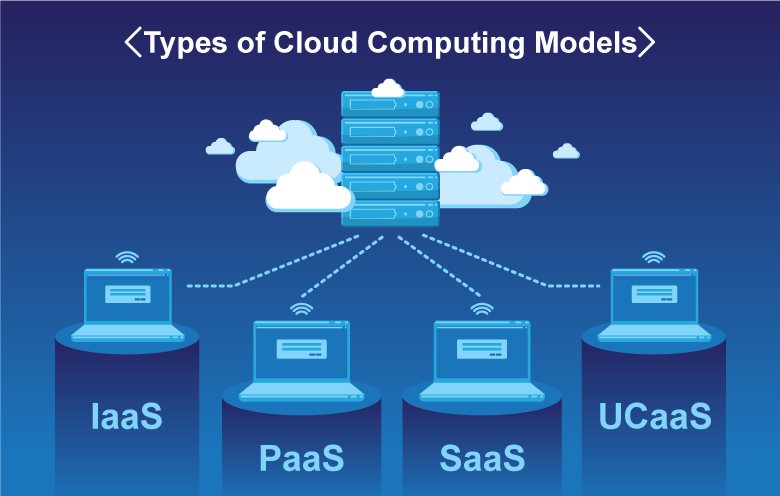
Cloud Computing Services: Transforming Modern Business Infrastructure

Artificial Intelligence in Business: Benefits, Applications, and Future Trends
Transforming the Future of Business

0
65